NFL Home and Away Betting Trends: Is Home-Field Advantage Still Worth Pricing In?
 Available in US
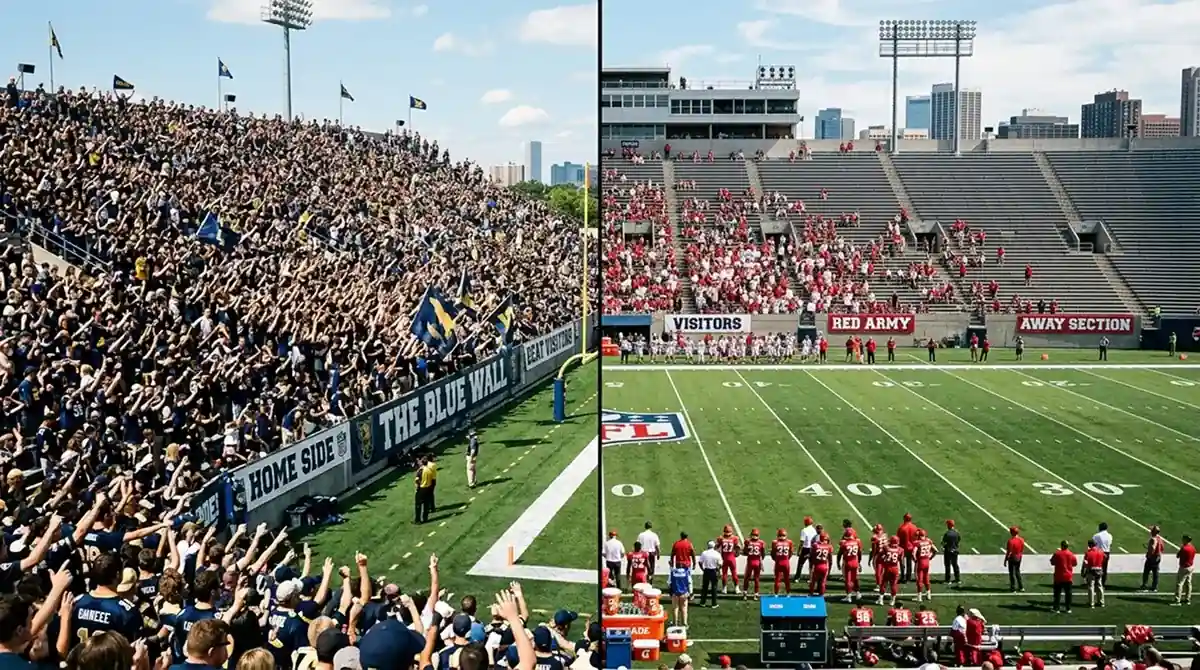
Home-Field Advantage Is Shrinking — and That Creates Opportunity
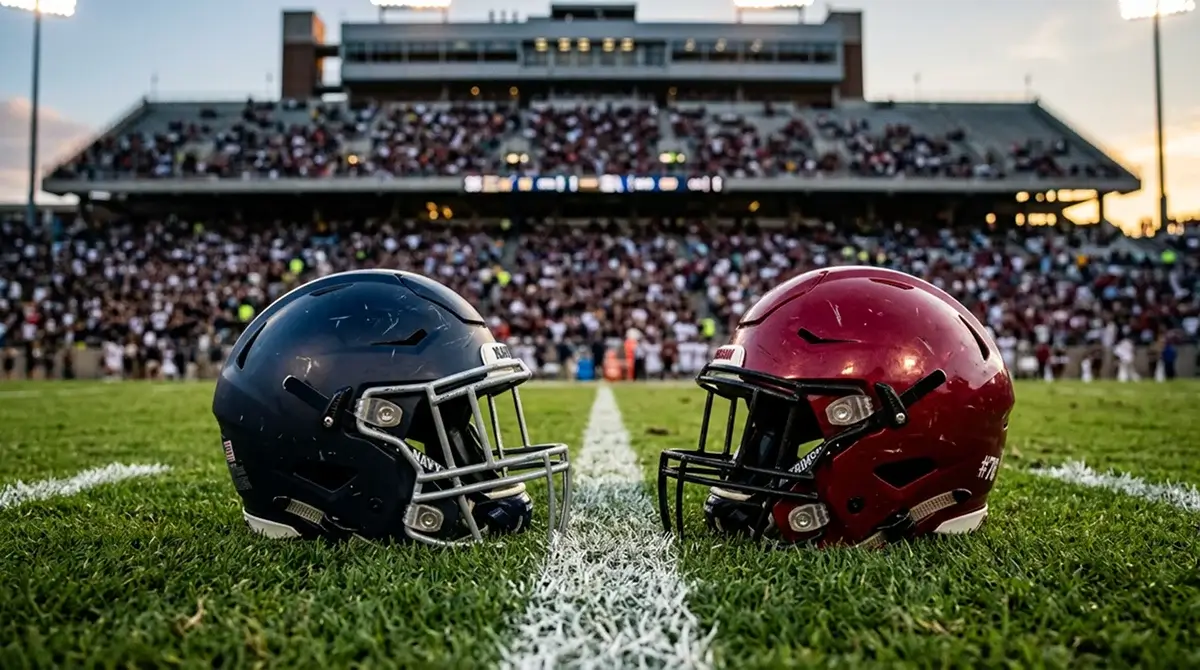
In 2003, NFL home teams won roughly 57% of their games. By 2023, that figure had dipped below 53%. I track this number every season because it is one of the most consequential slow-moving trends in football betting: the gradual erosion of home-field advantage. The edge has not vanished, but it has compressed to the point where the market’s pricing of it is often wrong — sometimes overvaluing it, sometimes undervaluing it, depending on the specific matchup and venue.
The decline has multiple causes. Travel has improved dramatically — charter flights, dedicated team facilities, better sleep science. Road teams no longer arrive exhausted from a red-eye commercial flight. Stadium noise, once a decisive factor for offences running audibles, has been partially mitigated by communication technology in helmets. And the NFL’s competitive balance mechanisms — the draft, the salary cap, schedule parity — have narrowed the talent gap between teams, which reduces the amplifying effect that home advantage had when talent disparities were wider.
For UK bettors, this matters because most sportsbook models still bake in a home-field adjustment of 2.5 to 3 points. If the true value is closer to 1.5 to 2, every home favourite is slightly overpriced and every road team is slightly underpriced. That systematic mispricing is small on any individual game but adds up across a full season of bets.
See also: browse american football betting for more NFL analysis.
Which Venues Still Carry a Genuine Home Edge
Not all stadiums are equal, and lumping every home team together is a mistake I made for years before the data forced me to differentiate. Some venues carry a home-field advantage that significantly exceeds the league average; others barely register one at all.
Altitude matters. Denver’s mile-high elevation creates a measurable impact on visiting teams, particularly in the second half when the thinner air compounds fatigue. Noise matters at specific venues — certain domed stadiums and architecturally designed open-air grounds produce crowd noise that disrupts opposing offences at a higher rate than the league average. Seattle’s stadium design, for example, channels sound downward onto the field in a way that flat, open bowls do not replicate.
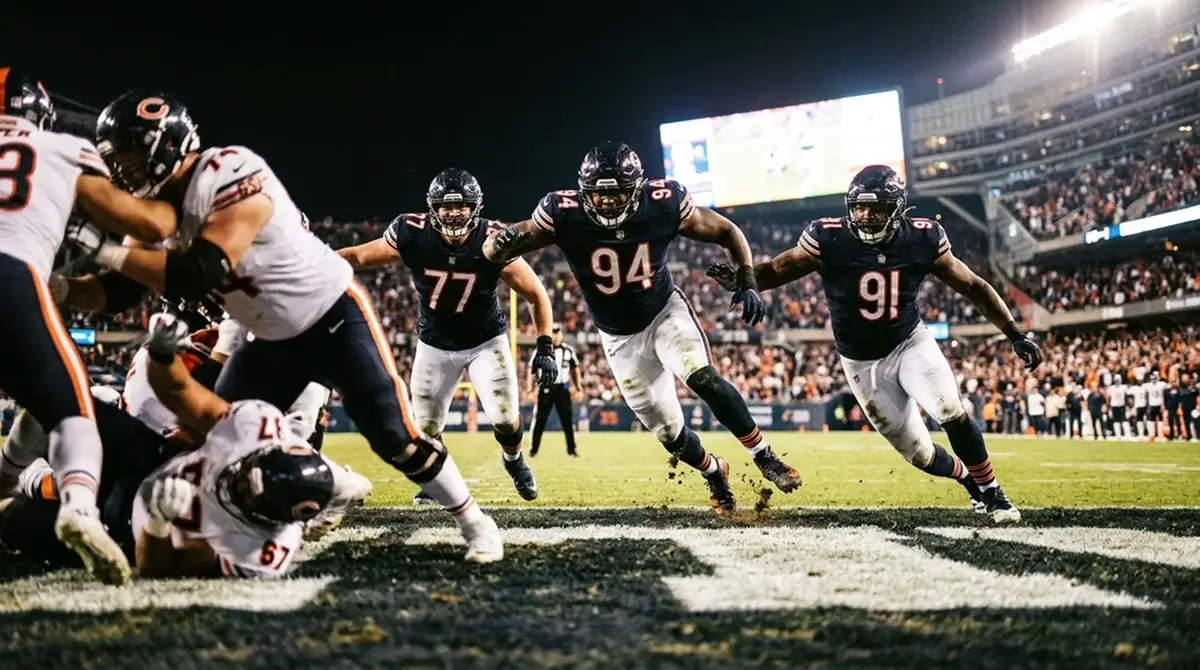
Weather-specific venues carry a different kind of home edge. Teams that play in cold-weather outdoor stadiums — Green Bay, Buffalo, Chicago — benefit from familiarity with harsh conditions. A visiting team from a warm-weather market facing December snow and sub-zero temperatures is at a genuine disadvantage that goes beyond crowd noise. I add an extra 0.5 to 1 point of home-field adjustment for weather-specific matchups in December and January, beyond whatever the sportsbook has already priced in.
The NFL staged seven international games in 2025, and London matches eliminate home advantage entirely for the designated “home” team. Attendance at London games exceeds 80,000, each generating roughly £6.1 million in economic impact, but the crowd is neutral. For bettors, London games represent the purest test of a team’s ability without any home-field cushion.
Road Warriors: Identifying Teams That Thrive Away from Home
During the 2024 season, I built a side model that ranked teams purely by road performance, stripping out home results entirely. The insights were revealing: some teams consistently performed better on the road than their overall record suggested, and the market was slow to recognise this because aggregate power ratings blend home and away performance together.
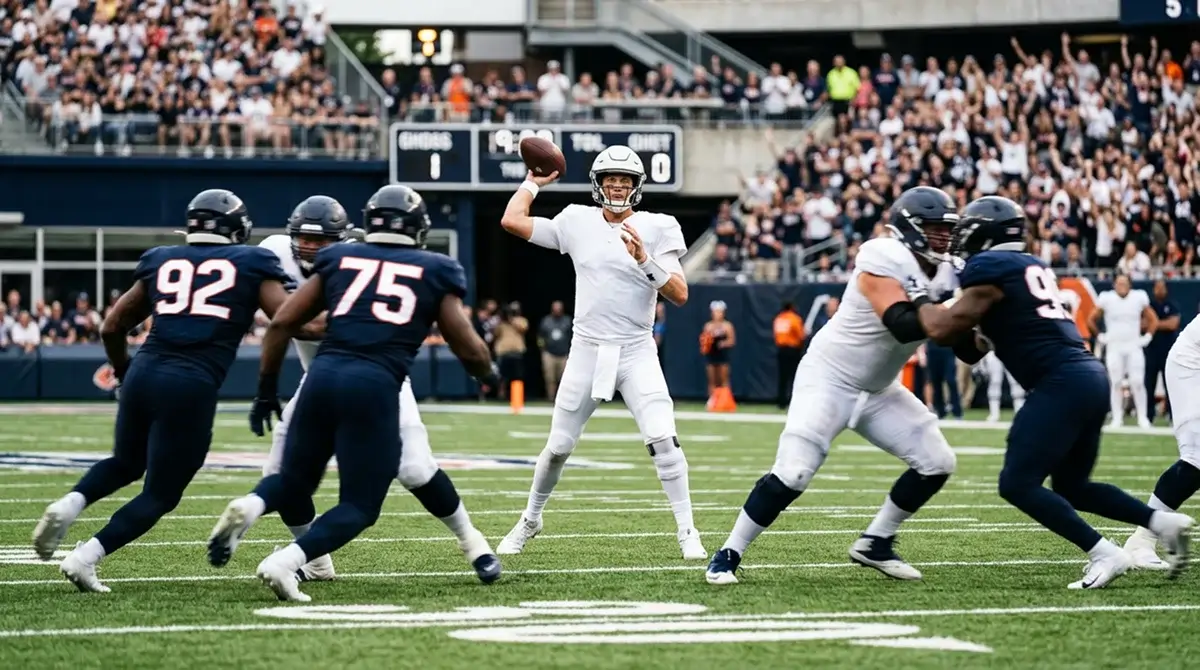
Road-strong teams share a few characteristics. They tend to have veteran quarterbacks who are unfazed by hostile environments. They run offensive systems that do not rely on crowd noise to manipulate the defence (teams that use a lot of cadence-based plays at home suffer more on the road where the crowd disrupts the snap count). And they have coaching staffs that travel well — maintaining routines, managing logistics, and keeping preparation standards high regardless of location.
Identifying these teams early in the season gives you a structural edge. If a team is 2-3 on the road but their underlying metrics (yards per play, scoring efficiency, turnover margin) are strong in those games, the market often overreacts to the win-loss record and prices their next road game too cheaply. That is where the value sits.
How to Adjust Your Model for Home and Away Factors
My approach has evolved from a flat home-field adjustment to a tiered system, and the improvement in prediction accuracy was immediate. The global American football betting market hit $8.52 billion in 2025, growing at 11.5% annually, and as the market matures, the bettors who profit are those with the most precise adjustments rather than the broadest assumptions.
See also: evaluate early-season form with our NFL preseason betting guide.
Tier one: dome-to-dome or warm-weather-to-warm-weather matchups. Home advantage is minimal here — I apply 1 point or less. Both teams are in climate-controlled or mild environments, travel is easy, and the crowd factor is partially neutralised by visiting fan bases who travel well to these destinations. Tier two: standard outdoor-to-outdoor matchups in moderate weather. Home advantage sits at 1.5 to 2 points. Tier three: extreme weather or altitude matchups, particularly late in the season. Home advantage stretches to 2.5 to 3 points, reflecting the compounding effects of cold, wind, or thin air on an unprepared visiting team.
Within each tier, I adjust further for specific team profiles. A road team with a strong running game is less affected by crowd noise (run plays do not require audibles) and less affected by weather (the ground game functions in conditions that suppress passing). A road team that depends on a high-volume passing attack suffers more in hostile environments. Matching your point spread analysis to these specific adjustments, rather than applying a blanket number, is the difference between a break-even season and a profitable one.
Divisional matchups add another layer. Teams in the same division play each other twice per season, and the second meeting typically features a reduced home-field effect. Visiting players and coaches have already experienced the stadium, the surface, and the crowd once that year — the unfamiliarity that contributes to home advantage has been partially neutralised. I discount home-field by a further 0.5 points in the second divisional meeting compared to the first. It is a small adjustment, but across six divisional games per team per season, the cumulative impact on spread accuracy is meaningful. Roughly 10% of the British population bets on sport online, and divisional familiarity effects are the kind of nuance that separates the informed minority from the majority.
How many points is NFL home-field advantage worth in 2026?
Current data puts NFL home-field advantage at approximately 1.5 to 2 points on the spread for a typical matchup. This is down from 2.5 to 3 points a decade ago. The value varies by venue, weather conditions, and the specific teams involved. Dome games and warm-weather matchups carry less home advantage than outdoor cold-weather games in December and January.
Do NFL road underdogs cover the spread more often than home underdogs?
Road underdogs have historically covered at a slightly higher rate than home underdogs, because the market tends to overvalue home-field advantage. This effect is most pronounced when the line is between 3 and 7 points — large enough that the home adjustment materially affects the spread, but close enough that the game is genuinely competitive.
Created by the ”American Football Betting” editorial team.