NFL Overtime Rules and Betting: How the Extra Period Changes Your Wagers
 Available in US
Overtime Rules That Every UK Bettor Needs to Understand
The first NFL overtime game I bet on ended with a field goal on the opening possession of the extra period. My spread bet was dead the moment the kick sailed through the uprights, and I did not fully understand why until I dug into the rules. NFL overtime is not like extra time in football — it has its own logic, its own structure, and its own implications for every market on your bet slip.
In the regular season, NFL overtime is a single ten-minute period. Since the 2024 rule change, both teams are guaranteed at least one possession regardless of what happens on the first drive — a significant shift from the previous format where a first-possession touchdown ended the game immediately. If the score remains tied after the period, the game ends as a draw. In the playoffs, overtime continues with additional periods until a winner is determined; there are no draws in postseason football.
These rules directly affect spread, totals, and moneyline bets. Understanding the mechanics is not optional for serious NFL punters — it is foundational. The global American football betting market hit $8.52 billion in 2025, and overtime outcomes influence settlement on a significant number of bets each season.
How Overtime Affects Spread and Totals Settlement
I get more questions about overtime settlement from fellow UK bettors than about any other topic. The rules are straightforward once you know them, but the nuances trip up punters accustomed to football betting conventions.
Spread and totals bets in the NFL include overtime. If a game goes to overtime and the final score after the extra period is 27-24, that is the score your spread and totals bets settle on. There is no “90-minute” equivalent in NFL betting — the full result, including any overtime scoring, determines every standard market. This means a team that was covering the spread at the end of regulation can lose their cover in overtime, and a total that was safely under at the end of four quarters can go over with an overtime field goal.
The practical implication for totals bettors: overtime adds points. The average overtime period produces between 3 and 7 additional points (a field goal or a touchdown). If the game is tied at 20-20 heading into overtime, the total will land between 43 and 47 after the extra period. If the posted total was 44.5, the over becomes a near-certainty once the game reaches overtime. This creates a live-betting opportunity: if you hold an over ticket and the game is heading toward overtime, your position improves dramatically even before the extra period begins.
For spreads, overtime introduces variance that the pre-match line did not account for. A 3-point favourite that leads by 3 at the end of regulation (covering the spread) but allows a game-tying field goal to force overtime is now in a coin-flip situation for the extra period. The original spread was set based on sixty minutes of expected play, not seventy. This inherent extension of game time benefits underdogs on the spread, because any overtime outcome — win, loss, or tie — adds variance to a result the favourite was supposed to control.
The Coin Toss and Its Betting Implications
A colleague once joked that the NFL overtime coin toss is the only 50/50 proposition in a sport full of uncertain ones. He was right, and the coin toss matters more than most bettors realise.
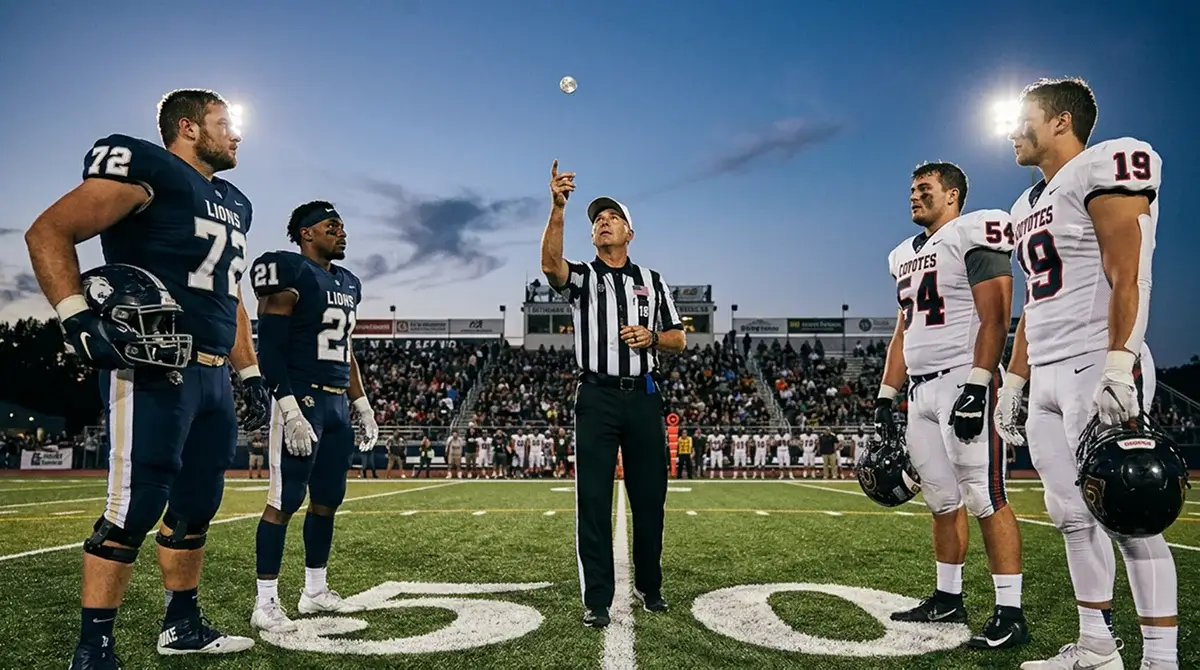
Under the current rules, the team that wins the coin toss elects to receive or defer. The strategic calculus has shifted since the rule change guaranteeing both teams a possession: some teams now prefer to defer, choosing to play defence first and then have the last possession with full knowledge of what they need. The optimal strategy depends on the specific matchup — a team with an elite defence may prefer to defend first, while a team with a dominant offence may want the ball immediately.
For live bettors, the coin toss result is a tradeable event. The moment the toss is decided and the choice is made, the in-play odds adjust. If a team with a strong offence wins the toss and elects to receive, their moneyline price shortens. If they defer, the market pauses and recalibrates. Being ready to act in the thirty seconds between the coin toss result and the in-play odds adjustment is one of the few genuine speed edges available in NFL live betting.
Regular Season Draws: The Market Nobody Prices Correctly
NFL draws are rare — roughly 1-2% of regular-season games end tied — but they exist, and their impact on betting is outsized relative to their frequency. Most UK sportsbooks settle NFL moneyline bets as void (stake returned) in the event of a draw, but the treatment varies by operator. Some offer a three-way market (home, away, draw) with specific draw odds, typically priced at 40/1 to 80/1 depending on the matchup.
Point spread bets can push in a draw scenario if the final margin after overtime lands exactly on the spread number. A game that finishes 20-20 after overtime settles every spread at the equivalent of a push on a pick’em line. For totals, the 40-point combined score settles against the posted total normally — draws do not receive special treatment in totals markets.
The NFL’s legal handle for the 2025 season approached $30 billion, and draw outcomes are one of the few results that genuinely surprise the market. When a game reaches overtime and begins to feel like neither team can score, the probability of a draw increases rapidly — and the live moneyline on both sides lengthens accordingly. Punters who recognise the draw scenario developing can sometimes find value on the three-way draw market at inflated live prices.
Overtime Awareness as Part of Your Pre-Match Analysis
I now factor overtime probability into every totals bet I place. Games between evenly matched teams with strong defences are statistically more likely to reach overtime, and that additional period pushes the total higher. If my model projects a close, low-scoring game with a 10-12% chance of overtime, I shade my projected total upward by 0.3 to 0.5 points to account for the expected extra scoring. That small adjustment has flipped several marginal totals calls from under to over across each season.
For spread betting, overtime probability favours the underdog. The longer a game continues, the more variance enters the equation, and variance is the underdog’s ally. When I am on the fence about a short underdog — a team getting 2.5 or 3 points — the overtime factor sometimes tips the decision. If the matchup profile suggests a tight, competitive game, the underdog’s effective cover probability is slightly higher than the spread implies because overtime provides additional paths to a cover or an outright win.
Overtime rules are one of those areas where knowledge compounds quietly. You do not win a bet because of overtime understanding on any specific Sunday, but across a full season, the accumulated precision adds half a win or more to your record. In a game where the margin between profit and loss is measured in percentage points, that precision matters. For the broader context of how game structure shapes betting markets, the season structure guide covers the full framework from preseason through the Super Bowl.
Do NFL spread and totals bets include overtime scoring?
Yes. All standard NFL spread and totals bets settle on the final score including any overtime period. If a game that was 20-17 at the end of regulation goes to overtime and finishes 23-20, your bets settle on the 23-20 result. This applies to both regular-season and playoff games.
What happens to my moneyline bet if an NFL game ends in a draw?
Treatment varies by sportsbook. Most UK operators void moneyline bets and return the stake if a regular-season game finishes tied after overtime. Some operators offer a three-way market that includes draw as a separate outcome with its own odds. Check your sportsbook’s specific rules before placing a moneyline bet, particularly on games between evenly matched teams where a draw is more likely.
Created by the ”American Football Betting” editorial team.