NFL Draft Betting Markets in the UK: Props, Over/Unders, and Value in Pre-Draft Odds
 Available in US
The NFL Draft Is a Betting Event — and Most UK Punters Ignore It
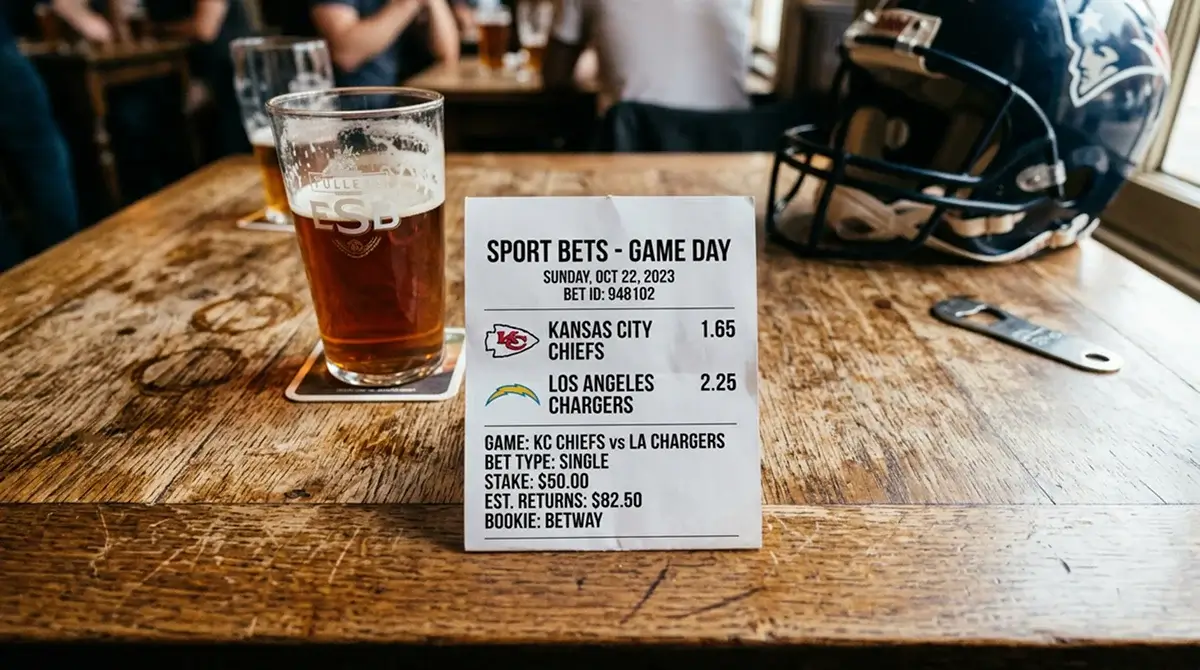
April 2024, I am watching the NFL Draft in a London pub. Twenty people around me are following the picks on their phones, debating which quarterback will go first, arguing about trade-ups and reaches. Not one of them had placed a bet. When I mentioned I had money on the second overall pick — a position market at 7/2 that paid out twenty minutes later — the reaction was genuine surprise. “You can bet on the draft?” You can. And the markets are some of the softest in the entire NFL betting calendar.
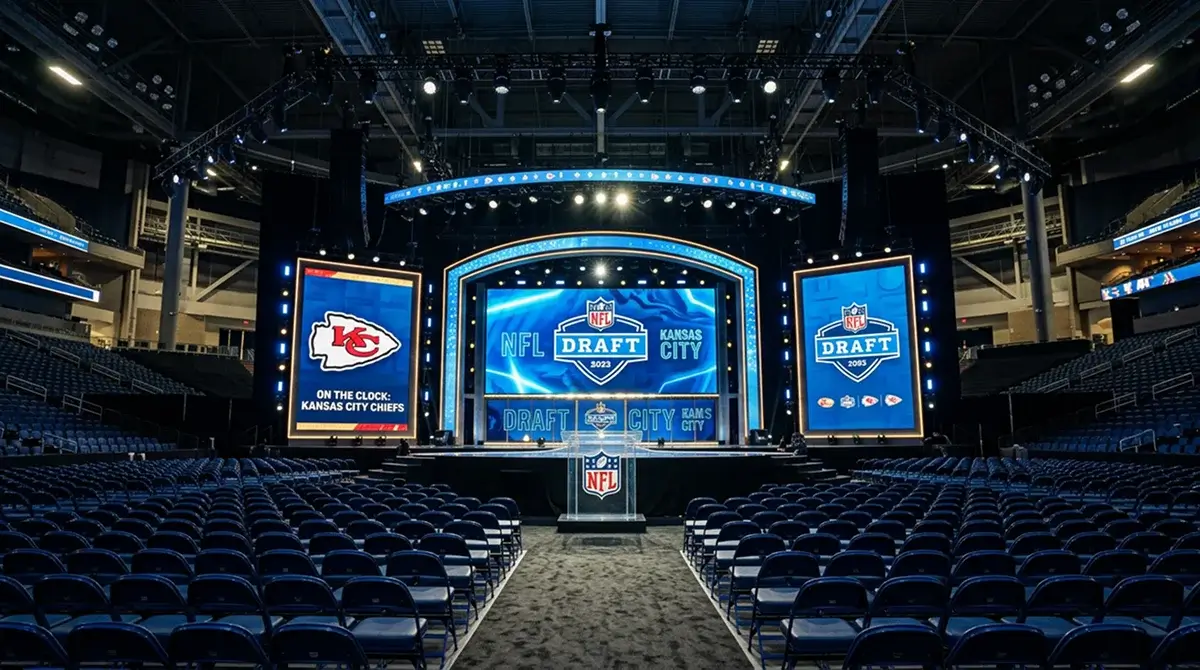
The NFL Draft takes place over three days in late April, with seven rounds and 259 total picks. Sportsbooks offer markets on the first overall pick, top-five selections, position of each pick, over/under on draft position for individual players, and even whether a trade will occur. The markets open months before the draft and move continuously as mock drafts, pro days, combine results, and insider reports reshape expectations.
Roger Goodell has called markets outside the US “very, very attractive” for the NFL’s growth strategy, and the draft is a prime example. The event draws massive UK viewership — it airs live on free-to-air and streaming platforms — and the betting markets are growing in depth and liquidity each year. For UK punters who follow the NFL closely enough to have opinions on prospect evaluations, the draft offers a rare window where deep knowledge translates directly into betting edge.
See also: head to american football betting for the complete NFL betting hub.
Draft Market Types and How They Are Priced
The flagship market is “first overall pick” — which player will be selected with the number one choice. In most years, this market has a clear favourite by March, but the odds movement between February and draft night can be dramatic. I have seen the first-pick favourite shift three times in a single draft cycle as teams traded draft positions and new information leaked from front offices.
Over/under on draft position is the most analytically rewarding market. The sportsbook sets a line — say, Player X drafted over/under 7.5 — and you bet whether that player goes in the top seven or eighth or later. These markets are priced based on consensus mock drafts and insider reporting, but mock draft accuracy is notoriously poor outside the top three picks. The gap between where the mock-draft consensus places a player and where the player actually lands is often wide enough to produce consistent value.
Position-of-pick markets — “What position will the third overall pick play?” — are driven by team needs, which are public information. If the team picking third desperately needs a quarterback and the top two picks are expected to be non-quarterbacks, the quarterback position price at pick three will be short. But these markets do not account for the possibility of a pre-draft trade, which can completely reshuffle the expected pick order. Trade probability is the hidden variable that most casual draft bettors ignore.
The Information Curve: When Draft Odds Move and Why
I track draft odds from the moment they open — usually in January — through draft night in April. The information curve follows a predictable pattern that creates distinct betting windows.
January through mid-March is the quietest period. Odds are loose, liquidity is thin, and the sportsbook is pricing off early mock drafts and general expectations. If you have a strong, well-reasoned contrarian view — a player the market undervalues or a team need the consensus has not identified — this is when you get the best price. The risk is that three months of new information could invalidate your thesis, but the reward is odds that will never be this generous again.
Mid-March through mid-April is the information avalanche. The NFL Combine (physical testing), pro days (individual workouts), team visits, and medical reports flood the market with new data. Odds move sharply during this window. A quarterback who runs a faster-than-expected 40-yard dash can see his draft position over/under drop by two full picks overnight. If you are going to bet the draft, this is when you need to be paying closest attention — not to the raw results, but to how the market reacts relative to the actual informational content.
The final week before the draft is the insider-reporting phase. Well-connected NFL reporters publish trade rumours, front-office preferences, and “I’m hearing” speculation that moves lines aggressively. The global American football betting market of $8.52 billion benefits from this pre-draft frenzy because engagement peaks. For bettors, the challenge is separating genuine intelligence from deliberate misinformation — teams routinely leak false preferences to manipulate rival teams’ planning, and those leaks move betting lines too.
Practical Strategy: What I Look for in Draft Markets
My draft betting strategy centres on three principles refined over six draft cycles.
First, I prioritise position markets over player-specific markets. Predicting that “a quarterback goes first overall” is more reliable than predicting which specific quarterback, because the position need is a team-level decision driven by roster gaps that are publicly visible, while the specific player choice involves private evaluations, personality assessments, and interview impressions that are genuinely unknowable from the outside.
See also: explore long-term wagering options with our NFL futures betting guide.
Second, I bet early when I have a contrarian view and late when I agree with the consensus. If the market says Player Y goes in the top ten and I believe he falls to the teens, I place that bet in February at the longest price available. If I agree that Player Z goes top five and the odds reflect that, I wait until the week before the draft and look for a promotional boost or a slight line shift that improves the already-short price.
Third, I cap my total draft exposure at 3% of my annual NFL bankroll. Draft betting is inherently high-variance because a single trade — decided by two general managers in a private phone call — can invalidate hours of analysis in seconds. The futures betting approach of limiting exposure to any single event applies doubly here. Enjoy the draft, bet it with discipline, and do not let three days in April compromise the bankroll you need for seventeen weeks of regular-season action.
Can I bet on the NFL Draft at UK sportsbooks?
Yes. Most major UK-licensed sportsbooks offer NFL Draft markets, including first overall pick, player draft position over/under, and position-of-pick markets. Availability and depth increase as the draft approaches, with the widest selection typically available in the final two weeks before the event.
When is the best time to place an NFL Draft bet?
If you hold a contrarian view, bet early — January or February — when odds are loosest. If your view aligns with the consensus, wait until the final week before the draft for potential line improvements or promotional offers. The worst time is draft night itself, when odds are at their tightest and new information is priced in within seconds.
Written by the editors at American Football Betting.